Vous passez des semaines à perfectionner une offre d'éclairage municipal, pour ensuite la voir rejetée parce qu'il manquait une fiche technique spécifique. mesure du scintillement 1. Dans notre usine de production, nous sommes témoins chaque jour de ces tragédies évitables.
Les responsables des appels d’offres attendent des fournisseurs qu’ils fournissent une conformité technique à 100 %, une documentation prête à être soumise et une évaluation proactive des risques. La plupart des fournisseurs échouent en n'offrant que des prix bas, laissant les gestionnaires gérer la mise en correspondance et la documentation complexes des paramètres, ce qui entraîne la disqualification des offres et des pertes financières importantes.
L’écart entre un simple devis et une soumission gagnante est plus large que la plupart des gens ne le pensent. Fichiers IES 2. Voyons comment y remédier.
Comment puis-je obtenir une documentation technique prête à être soumise sans que mon offre ne soit disqualifiée ?
Lorsque notre équipe d'ingénieurs prépare un dossier technique, nous savons qu'une seule note Kelvin incompatible peut ruiner votre projet. Rapports LM-79 et LM-80 3. De nombreux fournisseurs vous déchargent des fichiers bruts et génériques, vous obligeant à passer des heures à éditer des feuilles de calcul.
Pour obtenir une documentation prête à être soumise, associez-vous à un fournisseur qui fournit des fiches techniques personnalisées, des fichiers IES et des certifications pré-alignées sur les exigences spécifiques de votre appel d'offres. Cela garantit que chaque paramètre technique correspond exactement à la demande d'offre, éliminant ainsi le besoin de modification manuelle et réduisant les risques de disqualification.

L'importance des données spécifiques au projet
Dans notre expérience d'exportation vers des marchés comme l'Arménie et le Kazakhstan, nous avons constaté que “standard” les fiches techniques suffisent rarement. Un appel d’offres pour un parc public nécessite souvent des données photométriques spécifiques qu’un PDF d’usine générique ne couvrira pas. Si l’offre demande une distribution lumineuse spécifique (Type II ou Type III), fournir une page de catalogue général est une voie rapide vers le rejet. Nous nous concentrons sur la génération de rapports spécifiques au projet qui répondent aux clauses exactes de votre demande de propositions.
Composants de documentation pour les appels d'offres à enjeux élevés
Gagner une offre nécessite une montagne de preuves. Vous avez besoin de plus qu'un simple Certificats CE 4. Les comités d’évaluation recherchent souvent :
- Fichiers IES/LDT : Ceux-ci doivent correspondre à la puissance exacte et à la configuration de la puce que vous proposez.
- Rapports LM-79 et LM-80 : Ceux-ci prouvent l’efficacité et la durée de vie des LED utilisées.
- Preuve d'efficacité : Si l'appel d'offres demande 140 lm/W, votre documentation doit montrer l'efficacité du système, et pas seulement celle de la puce.
Pourquoi une documentation de qualité fait gagner du temps
Lorsque nous fournissons des documents qui sont “prêt à soumettre,” cela signifie qu'ils sont formatés pour être déposés directement dans votre proposition. Cela permet aux gestionnaires d'appels d'offres comme Arman de se concentrer sur l'offre commerciale et la logistique plutôt que de jouer “détective technique.”
| Type de document | Ce qu'attendent les managers | Ce que les usines donnent habituellement |
|---|---|---|
| Fiche de données | Valeurs personnalisées correspondant à la demande de propositions | Catalogue générique avec “typique” valeurs |
| Fichiers IES | Mesuré avec un boîtier/objectif spécifique | Fichiers génériques d'un modèle différent |
| Certifications | CE, RoHS et ENEC pour des modèles spécifiques | Expiré ou “emprunté” certificats |
| Disposition photométrique | Niveaux pied-bougie précis pour le site | Pas de mise en page, ou très mauvaise |
Pourquoi est-il si difficile de trouver un fournisseur qui signale de manière proactive les risques techniques dans mes spécifications d'appel d'offres ?
Nos ingénieurs constatent souvent des spécifications d'éclairage public physiquement impossibles, telles qu'une efficacité de 180 lm/W à un IRC élevé avec une garantie de 10 ans à un prix inférieur. La plupart des usines disent “Oui” juste pour recevoir la commande.
Trouver un fournisseur proactif est difficile car la plupart donnent la priorité au volume des ventes plutôt qu’à la précision technique. Un véritable partenaire examine vos spécifications d'appel d'offres pour identifier les contradictions, comme un retour sur investissement irréaliste ou des réclamations à vie qui ne correspondent pas, avant que vous les soumettiez, évitant ainsi les échecs du projet après l'attribution et les coûts de maintenance imprévus.
Identifier un retour sur investissement et des durées de vie irréalistes
Nous voyons souvent des appels d'offres pour des entrepôts dont le retour sur investissement attendu est inférieur à deux ans, mais les coûts énergétiques dans cette région (comme 0,04 $/kWh) rendent cela impossible. Si un fournisseur promet cela, il est probable qu’il fasse des économies en matière de qualité de fabrication. Nous préférons informer nos clients lorsque les calculs ne fonctionnent pas. Par exemple, les luminaires pour grande hauteur devraient viser une durée de vie L70 de 100 000 heures, mais si la température de fonctionnement est constamment supérieure à 45°C, cette durée de vie diminuera. Un bon fournisseur le signale immédiatement.
Contradictions techniques dans les spécifications
Les documents d’appel d’offres sont parfois rédigés par des personnes qui ne sont pas des experts en éclairage. Vous pourriez voir une demande de “Blanc chaud” Lumière de 3 000 K mais avec le flux lumineux d'un 6 000 K “Blanc froid” fixation. Étant donné que les lumières plus froides produisent naturellement plus de lumens par watt, il s’agit d’un conflit technique. Si vous enchérissez sur les deux, vous échouerez soit à l’exigence de lumière, soit à l’exigence de couleur. Nous détectons ces erreurs à temps afin que vous puissiez demander des éclaircissements techniques à l'autorité chargée de l'appel d'offres.
Délais de livraison et risques de personnalisation
Des températures de couleur personnalisées ou des supports de montage spécialisés peuvent ajouter 2 à 3 semaines à un calendrier de production. De nombreux fournisseurs cachent ce fait jusqu’à ce que vous ayez remporté l’offre. Nous croyons qu’il faut être transparent sur les délais de livraison. Si votre projet a un délai de livraison strict de 8 semaines et que l'approvisionnement des composants personnalisés prend 6 semaines, nous vous avertirons que le délai est à haut risque.
| Paramètre | Demande d'offre (exemple) | Risque caché / Réalité |
|---|---|---|
| Objectif de retour sur investissement | Remboursement en 2 ans | Impossible à bas tarifs énergétiques (0,05 $/kWh) |
| Durée de vie | 125 000 heures (L70) | Nécessite des pilotes premium et une gestion thermique |
| Délai de mise en œuvre | 4 semaines | La personnalisation/CCT ajoute généralement 2 à 3 semaines |
| Efficacité | 160 lm/W à 3 000 K | Coût très élevé ; généralement limité à 5000K+ |
Comment puis-je m'assurer que les luminaires LED livrés correspondront à 100 % aux paramètres promis dans mon offre ?
Vous avez remporté l'enchère, mais les projecteurs livrés semblent plus sombres que les échantillons. Ce “appât et interrupteur” est un problème courant dans notre industrie. Dans nos lignes de production, nous effectuons des tests par lots stricts pour éviter cela.
Assurez la correspondance des paramètres en exigeant des rapports de tests détaillés avant expédition et en choisissant des fournisseurs qui offrent des garanties à long terme de 7 à 10 ans. Les fournisseurs fiables utilisent des composants cohérents et fournissent des dispositions photométriques qui prouvent que les luminaires maintiendront des niveaux pied-bougie spécifiques tout au long de leur durée de vie opérationnelle.

Cohérence entre les lots
Pour un projet d’éclairage public municipal en Bulgarie ou en Moldavie, vous devrez peut-être installer des milliers de luminaires. Si les 100 premiers sont parfaits mais que les 900 suivants ont une teinte différente (color shift), la ville refusera de payer. Nous garantissons la cohérence en nous approvisionnant en LED provenant du même regroupement pour l’ensemble du projet. Cela signifie la température de couleur (CCT) et indice de rendu des couleurs (IRC) 5 restent identiques de la première à la dernière lumière.
Le rôle des garanties réalistes
De nombreux fournisseurs à bas prix offrent une garantie de 5 ans mais disparaissent lorsque les pilotes tombent en panne au cours de la troisième année. Les gestionnaires d'appels d'offres préfèrent désormais des garanties de 7 à 10 ans pour les projets haut de gamme. Cela oblige le fabricant à utiliser des condensateurs de meilleure qualité et de meilleurs dissipateurs thermiques. Nous alignons nos niveaux de garantie sur les références L70 des luminaires. Si nous promettons 100 000 heures, nous le soutenons avec une garantie qui reflète cette durabilité.
Repères de performances vérifiés
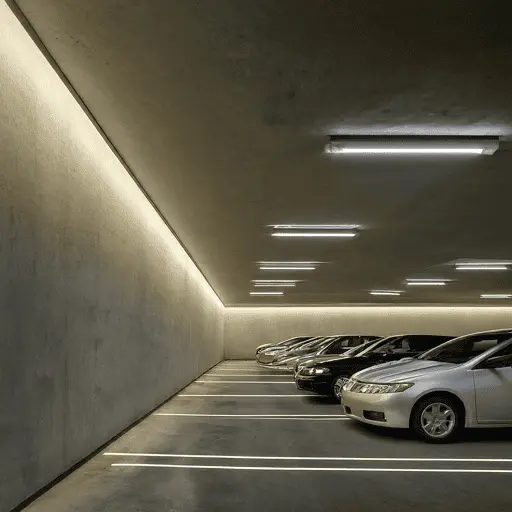
Nous utilisons des références conformes aux normes de l’industrie pour garantir que la lumière ne se dégrade pas trop rapidement. Pour les parkings publics, nous visons une durée de 125 000 heures Classement L70 6. Cela signifie que même après 125 000 heures, la lumière diffuse toujours 70 % de sa luminosité d'origine. Nous fournissons les schémas photométriques pour prouver que même à la fin de sa durée de vie, le luminaire répondra toujours aux niveaux d'éclairage minimum requis par les réglementations de sécurité locales.
| Type de luminaire | Durée de vie minimale L70 | Garantie privilégiée | Élément clé du succès |
|---|---|---|---|
| Lampes LED T8 | 50 000 heures | 5 ans | Qualité du pilote interne |
| Lumières de grande hauteur | 100 000 heures | 7-10 ans | Dissipation thermique de la chaleur |
| Lampadaires | Plus de 100 000 heures | 10 ans | Protection contre les surtensions (10 kV+) |
| Lumières de stationnement | 125 000 heures | 7-10 ans | Verres résistants aux UV |
Puis-je trouver un partenaire qui fournit une conformité technique totale au lieu d’un simple devis ?
La plupart des demandes que nous recevons à notre bureau commencent par une demande de prix, mais nous savons que le prix ne représente que la moitié de la bataille. Pour les projets publics en Europe de l’Est ou en Asie centrale, la conformité totale est le seul moyen d’être payé.
Oui, vous pouvez trouver un partenaire axé sur la conformité en recherchant des fournisseurs OEM/ODM spécialisés qui proposent une gestion de projet intégrée. Ces partenaires vont au-delà de la tarification en alignant les paramètres techniques, en gérant les chaînes d'approvisionnement mondiales et en fournissant une documentation vérifiée qui satisfait aux normes de financement internationales et aux réglementations locales.
Solutions intégrées et gestion de projet
Travailler avec un partenaire spécialisé signifie que vous n'achetez pas seulement “boîtes” de lumières. Vous achetez un service qui comprend la conception, la fabrication et le support technique. Par exemple, si vous soumissionnez pour un projet financé par la Banque asiatique de développement, les normes sont bien plus élevées que pour un petit travail privé. Nous comprenons la logique de ces institutions financières internationales (IFI). Nous fournissons les boîtes à outils indépendantes des fournisseurs et les certifications standards mondiales requises pour réussir leurs audits stricts.
La personnalisation comme norme
Parfois, un appel d'offres nécessite l'intégration d'un capteur spécifique dans un panneau lumineux ou d'une couleur RAL spécifique pour un boîtier d'éclairage public. Une usine axée sur les prix les ignorera souvent “petit” détails ou facturer une fortune pour eux. Un partenaire axé sur la conformité dispose des capacités internes d’usinage et de conception de circuits imprimés pour gérer efficacement ces personnalisations. Nous avons vu des clients tripler le taux de réussite de leurs projets simplement en proposant des capteurs assemblés sur mesure qui répondent aux mandats locaux d'économie d'énergie.
Pérennité et durabilité
L'industrie de l'éclairage évolue vers “L'éclairage en tant que service” (LaaS) et principes de l'économie circulaire 7. Les futurs appels d’offres nécessiteront probablement des produits faciles à réparer et à recycler. Nous intégrons déjà ces concepts en rendant nos pilotes facilement remplaçables et en utilisant de l'aluminium recyclable dans nos boîtiers. En choisissant un partenaire qui anticipe les réglementations 2025 et 2030, vous vous assurez que les produits que vous installez aujourd’hui ne seront pas obsolètes demain. Cette sécurité technique vaut plus de 5% de remise sur le prix initial.
Vérifier votre fournisseur
Pour trouver un tel partenaire, vous devez examiner son historique de projets similaires. Ont-ils un chef de projet dédié ? Proposent-ils des précommandes pour éviter les retards aux heures de pointe ? Ce sont les signes d’un partenaire qui comprend le coût élevé d’un échec d’appel d’offres. Nous traitons chaque appel d'offres comme une mission unique, et non comme une simple piste de vente supplémentaire.
Conclusion
Pour réussir dans les appels d’offres en matière d’éclairage LED, il faut passer de la recherche du prix le plus bas à la priorité à la sécurité technique. En choisissant un partenaire qui fournit une documentation prête à être soumise et des alertes de risques proactives, vous protégez votre offre et votre réputation.
Notes de bas de page
1. Remplacé par une page du ministère de l'Énergie fournissant un aperçu faisant autorité de la mesure du scintillement des LED et des normes telles que IEEE P1789. ↩︎
2. Décrit la norme ANSI/IES LM-63-19 pour le format de fichier de données photométriques, essentiel pour la conception d'éclairage. ↩︎
3. Page officielle de l'IESNA détaillant les normes LM-79 et LM-80 pour les performances des produits LED et le maintien du flux lumineux. ↩︎
4. Directives officielles de l'Union européenne sur le marquage CE, ses exigences et la manière d'obtenir la certification. ↩︎
5. Remplacée par la page Wikipédia sur l'indice de rendu des couleurs, qui offre une explication complète et faisant autorité. ↩︎
6. Explique L70 comme critère de mesure de la durée de vie développé par l'IESNA pour les luminaires LED, indiquant la dépréciation du lumen. ↩︎
7. Aperçu de l'économie circulaire, de sa définition et de trois principes fondamentaux d'une autorité de premier plan. ↩︎