Cuando nuestro equipo recibe un nuevo paquete de licitación de un socio en Armenia o Kazajstán, lo primero que hacemos es no cotizar un precio. Informes LM-79 1. En lugar de ello, escaneamos el documento en busca de “invisible” requisitos que a menudo descalifican a los postores incluso antes de que comience la evaluación técnica. Entendemos que perder un solo parámetro en un documento de 200 páginas puede hacer inútiles semanas de preparación.
Para preparar una lista de verificación eficaz para las presentaciones de licitaciones de iluminación LED, debe verificar sistemáticamente los parámetros técnicos con respecto al alcance del proyecto, asegurarse de que toda la documentación del proveedor (como los informes LM-79 y los archivos IES) esté formateada para su presentación inmediata y realizar una evaluación de riesgos previa a la licitación para identificar especificaciones contradictorias que podrían conducir a fallas de cumplimiento posteriores a la adjudicación.
A continuación le mostramos cómo puede crear una lista de verificación sólida para asegurar su oferta y evitar la descalificación técnica.
¿Qué parámetros técnicos debo verificar para garantizar que mi oferta de iluminación LED cumpla plenamente?
Nuestros ingenieros a menudo ven que las ofertas fracasan no porque el producto sea malo, sino porque la hoja de datos técnicos no coincide explícitamente con una línea específica en los requisitos de la licitación. Archivos IES 2.
Para garantizar el cumplimiento total, debe verificar la eficacia luminosa (lm/W), el índice de reproducción cromática (CRI), la temperatura de color correlacionada (CCT), las clasificaciones de protección de ingreso (IP) y la vida útil del controlador (L90/B10) con la cláusula de licitación específica, asegurando que los valores de su hoja de datos cumplan o superen el umbral mínimo sin ambigüedad.

Cuando se trata de licitaciones públicas, “suficientemente cerca” nunca es lo suficientemente bueno Índice de reproducción cromática (CRI) 3. El comité de evaluación suele estar formado por expertos técnicos o consultores que buscan un cumplimiento binario: aprobado o reprobado. Si la licitación pide 120 lm/W y tu hoja de datos muestra 119 lm/W, estás fuera Clasificaciones de protección de ingreso (IP) 4. Por lo tanto, su lista de verificación debe desglosar las especificaciones técnicas en categorías no negociables.
El “Hacer o deshacer” Métricas de rendimiento
La primera sección de su lista de verificación debe centrarse en las métricas principales de desempeño. Certificado ISO 9001 5. Estos son los números que determinan si un dispositivo es elegible para el proyecto.
- Eficacia del sistema frente a eficacia del chip LED: Esta es una trampa común. Las licitaciones suelen pedir luminaria eficacia (eficiencia del sistema). Si su proveedor le proporciona únicamente la eficacia del chip LED, su cálculo será erróneo entre un 10 y un 15 % debido a pérdidas ópticas y del controlador. lista de cantidades (BOQ) 6.
- Mantenimiento de lúmenes (L90/B10): Para proyectos de alumbrado público, la confiabilidad a largo plazo es clave. Debe verificar si la licitación requiere L70, L80 o L90. L90 a 50.000 horas es un estándar mucho más estricto que L70. Mantenimiento de lúmenes (L90/B10) 7
- Consistencia de color (SDCM): Compruebe el Elipse de MacAdam 8 requisito. La mayoría de las licitaciones de oficinas interiores requieren SDCM <3, mientras que las farolas exteriores pueden aceptar SDCM <5.
Protecciones eléctricas y ambientales
La segunda capa de verificación implica la durabilidad. Aquí es donde vemos fallar muchos productos baratos. Debe verificar los niveles de protección explícitamente.
- Protección contra sobretensiones: Para la iluminación exterior, suele ser obligatorio un dispositivo de protección contra sobretensiones (SPD) de 10 kV. Compruebe si la licitación requiere un separado SPD reemplazable o si uno integrado es aceptable.
- Temperatura de funcionamiento: En regiones como Kazajstán, el aparato debe funcionar a -40°C. Si su hoja de datos dice -20°C, no cumple.
Tabla: Lista de verificación de parámetros técnicos críticos
Utilice esta estructura de tabla para trazar su selección de productos antes de enviar cualquier documento.
| Parámetro técnico | Ejemplo de requisito de licitación | Acción de verificación | Nivel de riesgo |
|---|---|---|---|
| Eficacia del sistema | ≥ 130 lm/W | Controlar producción lúmenes divididos por sistema potencia, no especificaciones del chip. | Alto |
| IRC (Ra) | ≥ 80 (Carretera), ≥ 90 (Oficina) | Asegúrese de que el informe de prueba (LM-79) coincida exactamente con el CRI solicitado. | Medio |
| Factor de potencia | > 0.95 | Verificar la hoja de datos del controlador. Los controladores de PF bajo son más baratos pero a menudo se rechazan. | Alto |
| Protección contra sobretensiones | 10kV/10kA | Confirme si es L-N o L-G y si se necesita un SPD externo. | Alto |
| Garantía | 5 o 7 años | Asegúrese de que el fabricante proporcione una carta de garantía firmada, no solo una promesa verbal. | Medio |
Al cruzar metódicamente estos números específicos, se eliminan las conjeturas. Nunca asumas una “estándar” El producto se ajusta a una oferta específica. Cada cláusula importa.
¿Cómo puedo confirmar que la documentación de mi proveedor está lista para la presentación inmediata de la oferta?
Estructuramos nuestros sistemas de archivos internos para garantizar que cuando un socio solicite un paquete de documentos, pueda simplemente arrastrar y soltar los archivos en su carpeta de envío sin editarlos.
Puede confirmar que está preparado asegurándose de que su proveedor proporcione hojas de datos técnicos sin marca o específicas del proyecto, informes de pruebas de terceros válidos (LM-79, LM-80) emitidos por laboratorios acreditados (como NVLAP o CNAS) y archivos de simulación (IES/LDT) que coincidan matemáticamente con las especificaciones declaradas.
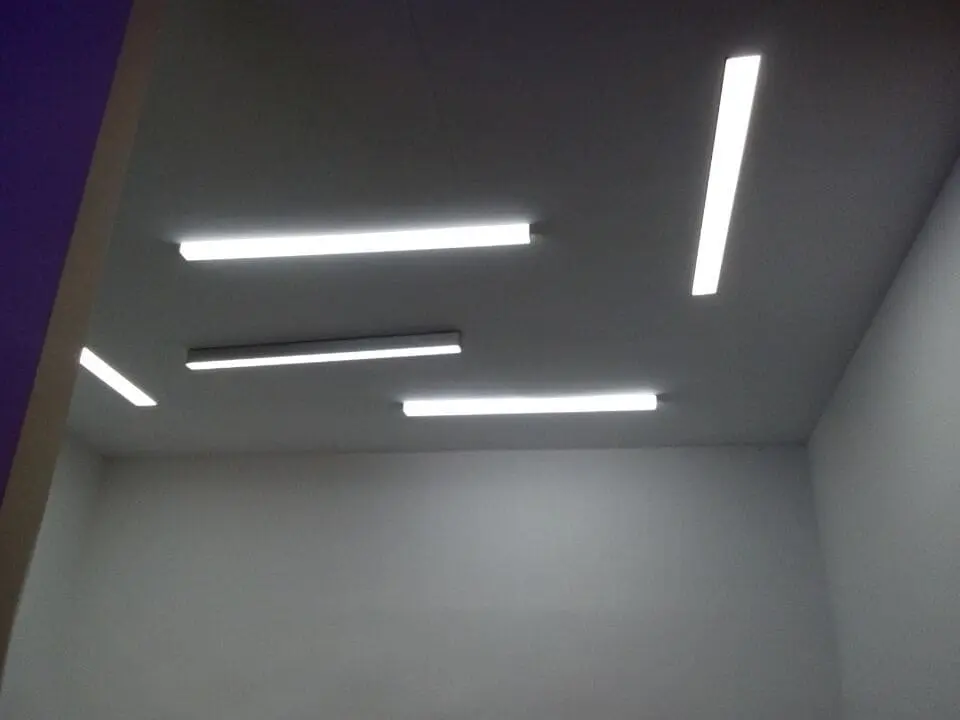
La documentación es el puente entre el producto físico y la lista de verificación del evaluador. Incluso si el producto es perfecto, una mala documentación hará perder la oferta. Su lista de verificación de documentación debe ir más allá de simplemente “¿lo tenemos?” a “¿Es válido y consistente?”
El control de coherencia
El motivo más común para las solicitudes de aclaración (o el rechazo) es la inconsistencia de los datos.
- Hoja de datos versus informe de prueba: Si su hoja de datos afirma 100 W, pero el informe LM-79 adjunto muestra una prueba en un dispositivo de 96 W, el evaluador lo marcará. Si bien técnicamente se permite una pequeña tolerancia, las licitaciones estrictas pueden considerarla una discrepancia.
- Números de modelo: El número de modelo del certificado CE debe coincidir con el número de modelo de su oferta. Si suministramos un “CST-SL-100” pero pujas como “Proyecto-Luz-100,” debemos proporcionar un formulario de autorización del fabricante (MAF) o una declaración de identidad para vincular los dos.
Certificación esencial & Verificación
Para los proyectos públicos, las autodeclaraciones rara vez son suficientes. Necesita pruebas de terceros.
- Laboratorios acreditados: Verifique que los informes de las pruebas provengan de un laboratorio signatario de ILAC-MRA. Un informe del laboratorio del sótano de la fábrica tiene poco peso en las licitaciones internacionales.
- Archivos fotométricos: Debes abrir los archivos .IES o .LDT en software como Dialux para comprobar si están corruptos. A veces, las fábricas envían archivos genéricos que no coinciden con el ángulo de haz específico solicitado (por ejemplo, distribución Tipo II versus Tipo III).
Tabla: Auditoría de preparación de la documentación
Antes de cargar su archivo zip en el portal de adquisiciones, pase sus documentos por esta auditoría.
| Tipo de documento | Verificación de validación de claves | Por qué es importante |
|---|---|---|
| Ficha Técnica | ¿Enumera las especificaciones exactas requeridas (por ejemplo, IP66, IK08)? | Es la referencia principal para el evaluador. |
| LM-79 / Informe Fotométrico | ¿La fecha es reciente (normalmente entre 3 y 5 años)? | Los informes antiguos pueden sugerir tecnología obsoleta. |
| Informe LM-80 / TM-21 | ¿Proyecta vida? >50.000 horas? | Esto demuestra la afirmación de confiabilidad a largo plazo. |
| Declaración CE/RoHS | ¿Aparece el número de modelo específico? | General “familia” En ocasiones, los certificados pueden ser rechazados. |
| Certificado ISO 9001 | ¿El certificado es actualmente válido (no ha caducado)? | Demuestra el sistema de gestión de calidad del fabricante. |
| Carta de autorización | ¿Está dirigido a su empresa específica? | Demuestra que eres el postor autorizado, evitando ofertas paralelas. |
Este “administrativo” Esta fase es tediosa, pero es donde a menudo se gana la batalla. Un paquete de documentación limpio, profesional y coherente indica competencia al comprador.
¿Cómo identifico riesgos técnicos potenciales en las especificaciones de mi licitación antes de presentarla?
Antes de comprometernos a apoyar una licitación, analizamos la solicitud de “pastillas venenosas”—requisitos que son físicamente imposibles o mutuamente excluyentes.
Puede identificar riesgos técnicos buscando contradicciones entre la lista de cantidades (BOQ) y las especificaciones técnicas, detectando estándares obsoletos que ningún LED moderno cumple y marcando “imposible” limitaciones físicas, como requisitos de alta potencia en carcasas de tamaño insuficiente que provocarían fallas térmicas.
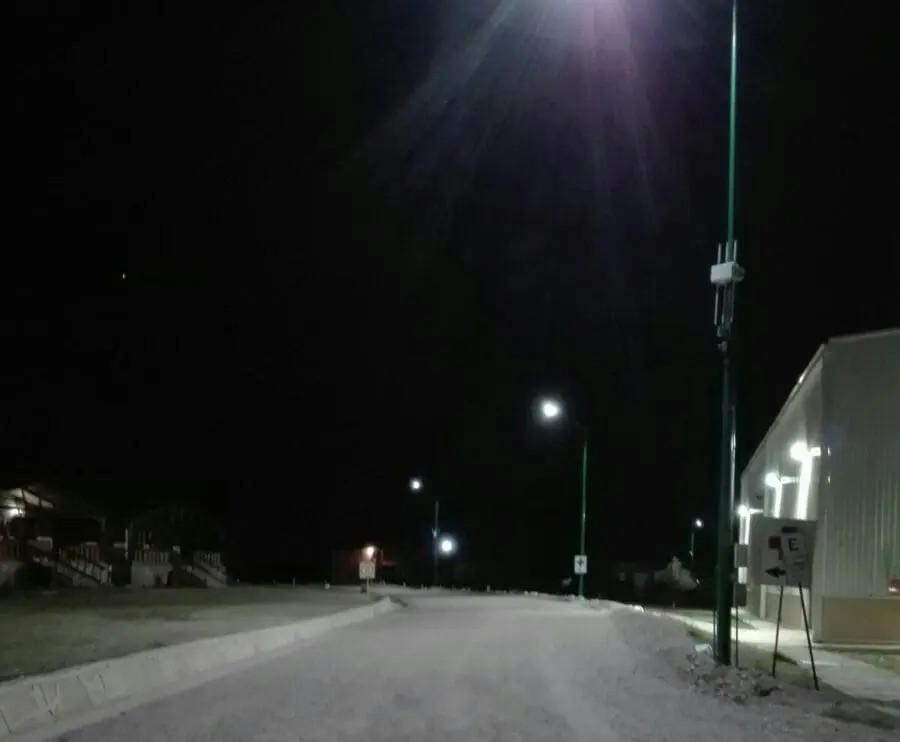
Aceptar ciegamente un documento de licitación es peligroso. Las ofertas a menudo se copian y pegan de proyectos antiguos o se mezclan de diferentes fuentes. Esto crea contradicciones que pueden atraparte más adelante. Si promete cumplir con una especificación contradictoria, será responsable del incumplimiento.
Detectando las contradicciones
Su lista de verificación necesita una “Verificación lógica” sección.
- Rendimiento frente a dimensión: Si en la licitación se pide una farola de 200 W pero se especifica una longitud de carcasa de sólo 400 mm, existe un riesgo térmico enorme. El aparato se sobrecalentará. Debe plantear una pregunta aclaratoria.
- Presupuesto frente a especificaciones: Si el presupuesto es bajo pero las especificaciones exigen controladores europeos específicos (por ejemplo, Tridonic/Osram) y controles de alta gama (enchufes Zhaga/NEMA), el proyecto podría no ser financieramente viable.
- Conflictos estándar: A menudo vemos licitaciones que solicitan “IP65” en un párrafo y “IP66” en otro. Es necesario aclarar cuál prevalece para evitar un exceso de ingeniería o una entrega insuficiente.
La estrategia de clarificación (RFI)
No tengas miedo de preguntar. Presentar una Solicitud de Información (RFI) es un movimiento estratégico.
- RFI defensiva: Si un estándar citado es obsoleto (por ejemplo, un antiguo estándar fluorescente aplicado a los LED), solicite reemplazarlo con el IEC 60598-2-3 actual.
- RFI de protección: Si se nombra una marca específica (lo que a menudo es ilegal en licitaciones públicas), solicite “O equivalente” confirmación.
Tabla: Riesgos comunes de las especificaciones de licitación
Identifique estas señales de alerta con anticipación para decidir si presentar una oferta o solicitar una aclaración.
| Escenario de riesgo | Explicación | Acción recomendada |
|---|---|---|
| “Zombi” Especificaciones | Solicitar métricas obsoletas (p. ej., “voltaje del encendedor”) irrelevante para los LED. | Envíe la RFI para confirmar que se aplica el estándar LED. |
| Eficacia imposible | Solicitando >180 lm/W a 3000K CCT cálido. | Tecnología altamente improbable. Verifica si es un error tipográfico. |
| Bloqueo de dimensión | Dimensiones estrictas LxWxH que limitan el diseño térmico. | Compruebe si las dimensiones son “aproximado” o estricto. |
| Bloqueo de marca | Nombrar el modelo de un competidor específico. | Pedido “o equivalente” confirmación de cláusula. |
Al identificar estos riesgos antes usted envía, protege su margen y su reputación. Evitas ganar un proyecto que en realidad no puedes entregar.
¿Cómo equilibro la seguridad técnica con el control de costes en la preparación de mi licitación de iluminación?
Calculamos los costos de los componentes diariamente para encontrar el “punto dulce” donde un producto cumple al 100% pero no es ni un centavo más caro de lo necesario.
Para equilibrar la seguridad y el costo, debe seleccionar componentes que cumplan estrictamente con los criterios obligatorios de aprobación/rechazo sin demasiada ingeniería (por ejemplo, usar un controlador de garantía de 5 años cuando solo se solicitan 3), realizar un análisis de costos del ciclo de vida para justificar piezas de mayor calidad si la licitación otorga puntos por eficiencia y evitar pagar primas de marca a menos que se requiera explícitamente.
El objetivo de una licitación es ganar, no proporcionar la luz más cara del mundo. Sin embargo, el “mas barato” opción a menudo no se cumple. El arte está en juego.
Selección inteligente de componentes
Su lista de verificación debería ayudarle a eliminar costos innecesarios.
- Selección de conductor: El conductor es el centro del coste. Si la licitación pide una garantía de 5 años, utilizar un controlador de primer nivel (como Philips Xitanium) es seguro pero costoso. Una marca confiable de nivel medio (como Done o Moso) podría cumplir con las especificaciones técnicas (0,95 PF, aumento de 6 kV) a un costo un 30 % menor. Si la licitación no nombre la marca, elija la opción de nivel medio compatible.
- Eficiencia lumínica versus recuento de LED: A veces, añadiendo más Los chips LED (que funcionan con una corriente más baja) son más baratos que comprar los chips más caros y de alto flujo. También mejora la gestión térmica.
- Material del cuerpo: Si la oferta acepta “Aluminio fundido O Aluminio extruido,” La extrusión suele ser más barata para el alumbrado público. No pague por herramientas de fundición a presión si no es necesario.
Evaluación de los criterios de evaluación
Mire cómo se puntúa la licitación.
- El precio más bajo gana: Reduzca todo al mínimo cumplimiento. Sin protección adicional contra sobretensiones, sin eficacia adicional.
- CARNE (Licitación Económicamente Más Ventajosa): Si dan 20 puntos por ahorro de energía, gastar más en una luminaria de mayor eficacia (160 lm/W frente a 130 lm/W) podría permitirle ofertar un precio más alto y aun así ganar en puntuación total.
evitando “Cumplimiento excesivo”
No ofrezca IP67 si se solicita IP65. No ofrecer IK10 si se solicita IK08. En la fabricación, cada paso de protección añade costos. “Cumplimiento excesivo” normalmente no te da puntos extra; simplemente reduce su margen de beneficio. Cíñete a las especificaciones.
Conclusión
La preparación de una lista de verificación de licitación LED ganadora requiere un cambio de mentalidad “ventas” a “auditoría.” No se trata de qué tan bueno sea su producto; se trata de qué tan perfectamente sus datos coinciden con su documento. Al verificar rigurosamente los parámetros técnicos, garantizar la coherencia de la documentación, identificar riesgos ocultos y equilibrar los costos con el cumplimiento, usted transforma el proceso de licitación de una apuesta a una tarea de ingeniería calculada. El objetivo es hacer que al evaluador le resulte fácil decir “Sí.”
Notas a pie de página
1. Explica el estándar LM-79 para mediciones ópticas y eléctricas de productos LED. ↩︎
2. Describe archivos fotométricos IES para simular el comportamiento de luminarias en software de diseño. ↩︎
3. Fuente autorizada y completa (Wikipedia) que define el índice de reproducción cromática. ↩︎
4. Explica las clasificaciones IP para protección contra polvo y líquidos en gabinetes eléctricos. ↩︎
5. Explica la ISO 9001 como estándar global para sistemas de gestión de calidad. ↩︎
6. Fuente autorizada y completa (Wikipedia) que define la lista de cantidades. ↩︎
7. Aclara los valores L/B (mantenimiento de lúmenes) para la vida útil del LED y la depreciación de la salida de luz. ↩︎
8. Describe regiones en un diagrama de cromaticidad donde los colores son indistinguibles para el ojo humano. ↩︎