Frequentemente vemos gerentes de projetos perderem o sono com os prazos das licitações, lutando para organizar centenas de documentos técnicos relatórios de testes de laboratório de terceiros 1. No nosso dia a dia de apoio às licitações municipais, percebemos que não basta ter um bom produto; a papelada deve contar a história correta, sem qualquer ambigüidade. Se a folha de dados estiver confusa, o avaliador presume que o produto também está.
Para preparar fichas técnicas de LED para uso direto em licitação, você deve mapear todos os parâmetros técnicos nas especificações da licitação diretamente aos dados do seu produto, garantindo zero desvios. Isso envolve a compilação de relatórios de testes de laboratório de terceiros (LM-79, LM-80, classificações IP) que fundamentam todas as reivindicações na folha, formatando o documento para corresponder ao anexo ou modelo exigido pela licitação e removendo qualquer texto de marketing conflitante que não atenda a um propósito técnico.
Veja como você pode transformar uma folha de especificações padrão de fábrica em um documento de licitação vencedor.
Como posso garantir que minhas fichas técnicas de LED atendam a todos os requisitos de conformidade técnica para uma licitação municipal?
Quando analisamos documentos de concurso de regiões como os Balcãs ou a Ásia Central, frequentemente identificamos “armadilha” cláusulas destinadas a filtrar licitantes descuidados LM-79 2. Se nossa equipe de engenharia perder um único item relacionado ao fator de potência ou proteção contra impacto, toda a proposta poderá ser rejeitada, independentemente do preço.
Você garante a conformidade criando uma Matriz de Conformidade linha por linha que compara as especificações técnicas da proposta com os valores da sua folha de dados e os padrões de teste de suporte. Este processo exige que você declare explicitamente “Cumprido” para cada parâmetro, cite o padrão internacional específico (como IEC 60598 ou LM-80) que valida a afirmação e personalize a folha de dados para destacar essas métricas específicas em vez de recursos genéricos de marketing.
Para realmente garantir que suas folhas de dados de LED atendam aos requisitos de conformidade, você deve ir além do padrão “marketing” Ficha de dados Classificações IP 3. As planilhas de marketing são projetadas para vender recursos; as fichas técnicas do concurso são elaboradas para comprovar factos. A estratégia mais eficaz que usamos é a “Método do espelho.” Você deve espelhar a estrutura dos requisitos técnicos da licitação CEI 60598 4. Se a proposta listar “Eficácia Luminosa” conforme item 3.1, o ideal é que sua ficha técnica liste-o em posição de destaque, claramente visível para o avaliador Certificados de declaração de conformidade 5.
As licitações municipais geralmente seguem uma lógica binária: Aprovado ou Reprovado. Raramente existe um meio-termo para “perto o suficiente.” Portanto, sua preparação deve focar na conformidade baseada em evidências fluxo luminoso total 6. Cada número escrito na folha de dados deve ser rastreável a um relatório de laboratório. Por exemplo, se você afirma ter uma vida útil de 100.000 horas, não pode simplesmente escrever “100.000 horas.” Você deve referenciar o Cálculo do TM-21 7 baseado em LM-80 8 dados.
O papel da matriz de conformidade
Antes de finalizar a ficha técnica, você deve elaborar um relatório interno Matriz de Conformidade 9. Esta ferramenta simples funciona como um filtro para detectar erros antes da comissão de avaliação.
| Item de requisito de licitação | Valor obrigatório | Valor da folha de dados | Status | Padrão de Referência |
|---|---|---|---|---|
| Eficácia do Sistema | ≥ 140lm/W | 145lm/W | Cumprido | CEI 62722-2-1 |
| Índice de reprodução de cores | IRC > 70 | IRC 75 | Cumprido | CIA 13.3 |
| Proteção de entrada | IP66 | IP66 | Cumprido | CEI 60529 |
| Resistência ao Impacto | IK08 | IK09 | Cumprido | CEI 62262 |
| Proteção contra surtos | 10kV | 10kV/20kV | Cumprido | CEI 61000-4-5 |
Manuseio “Desvio Zero” Cláusulas
Muitos concursos públicos impõem rigorosamente “Desvio Zero.” Isto significa que se o concurso solicitar “Carcaça em alumínio fundido com <00,1% de teor de cobre,” e sua folha de dados apenas diz “Alumínio,” você pode ser desclassificado. Você precisa ser específico. Muitas vezes modificamos as nossas fichas técnicas padrão para que os nossos parceiros incluam a frase exata encontrada na proposta, desde que seja verdadeira. Esse espelhamento psicológico garante ao avaliador que ele está olhando exatamente para o produto que solicitou. Se um parâmetro se desviar, mesmo que ligeiramente - por exemplo, a proposta pede 120W, mas a saída padrão mais próxima do driver é 122W - você deve esclarecer isso em um documento separado. “Declaração de Desvio” ou ajuste a corrente do inversor para corresponder exatamente, se a tecnologia permitir.
Que documentação específica devo solicitar a um fornecedor para evitar a desclassificação durante a fase de avaliação?
Nosso departamento de exportação passa horas todas as semanas compilando “Pacotes de submissão técnica” porque sabemos que a falta de um único certificado é a razão mais fácil para um burocrata rejeitar uma proposta. Aprendemos que o excesso de documentação proativa é mais seguro do que esperar por um pedido de esclarecimento que pode nunca chegar.
Para evitar a desclassificação, você deve solicitar uma declaração completa “Pacote de verificação técnica” que inclui a ficha técnica assinada e carimbada, relatórios de teste válidos e credenciados por terceiros (LM-79 para fotometria, LM-80 para vida útil do chip LED, ISTMT para gerenciamento térmico) e certificados de declaração de conformidade atuais (CE, RoHS, ENEC). Além disso, você precisa de um Formulário de Autorização do Fabricante (MAF) autorizado, nomeando explicitamente sua empresa como licitante para aquele projeto específico.

A fase de avaliação de uma proposta é uma auditoria forense. Os avaliadores procuram inconsistências. Se a sua folha de dados afirma um fator de potência de 0,98, mas o relatório de teste anexado mostra 0,93, você será sinalizado. Portanto, a documentação que você solicita ao seu fornecedor deve ser um conjunto coerente e não contraditório.
O “Santíssima Trindade” dos documentos do concurso
Existem três pilares de documentação que devem estar perfeitamente alinhados. Se algum deles contradizer os outros, o risco de desqualificação dispara.
- A folha de dados: Esta é a promessa do fabricante. Ele resume o desempenho.
- O relatório de teste: Esta é a prova. Deve vir de um laboratório credenciado (ILAC/CNAS).
- O Certificado: Esta é a licença legal. Isso comprova segurança e conformidade regulatória.
Você não pode confiar em um fornecedor que lhe envia um “relatório de amostra” de três anos atrás. Você precisa de relatórios que correspondam ao número exato do modelo que você está oferecendo. Se o número do modelo na folha de dados for “CST-SL-100W” e o relatório do teste diz “Série CST-SL,” você pode enfrentar perguntas. É melhor pedir ao fornecedor para atualizar a capa do relatório ou emitir um “Declaração de Identidade” confirmando que o modelo testado cobre o item específico da licitação.
Lista de verificação de documentos essenciais
Recomendamos usar esta lista de verificação ao se comunicar com seu parceiro de fábrica. Não presuma que eles os enviarão automaticamente; os fornecedores de varejo raramente entendem esses requisitos.
| Nome do documento | Propósito | Ponto Crítico de Verificação |
|---|---|---|
| Relatório LM-79-08 | Verifica o fluxo total, eficácia e distribuição. | Garantir “Data do teste” é recente e a tensão corresponde à rede local (por exemplo, 230V). |
| LM-80-15 & TM-21 | Comprova a longevidade do chip LED (L70/B10). | Verifique se a corrente do drive no relatório corresponde à corrente do driver do seu aparelho. |
| PI & Relatórios de CI | Valida a proteção ambiental. | Deve ser para o luminária completa, não apenas a habitação. |
| Certificados IEC/EN | Conformidade de segurança (LVD/EMC). | Verifique se o certificado ainda é válido e emitido por um órgão reconhecido (TUV, SGS, etc.). |
| ISO 9001/14001 | Gestão da qualidade do fabricante. | Deve ser atual e abranger o escopo de fabricação da iluminação LED. |
Além disso, não negligencie o Formulário de Autorização do Fabricante (MAF). Em muitas licitações rigorosas, se a fábrica não autorizar explicitamente você a licitar, suas fichas técnicas serão consideradas inválidas, por melhores que sejam.
Como posso verificar se os ficheiros IES e os dados fotométricos estão perfeitamente alinhados com o caderno de encargos?
Em nosso laboratório fotométrico, realizamos testes de goniofotômetro diariamente e sabemos exatamente como é fácil manipular software para gerar “perfeito” mas dados falsos. Aconselhamos constantemente os nossos parceiros a olharem mais profundamente do que apenas a página de resumo para garantir que os resultados da simulação de luz resistirão a um exame minucioso.
Você verifica o alinhamento abrindo o arquivo IES em software fotométrico (como Dialux ou Relux) para verificar se o fluxo luminoso total e o consumo de energia correspondem exatamente à folha de dados e inspecionando a curva de distribuição da candela para garantir que ela atenda ao tipo de ângulo de feixe necessário (por exemplo, Tipo II ou Tipo III). Você também deve verificar as informações do cabeçalho do arquivo .IES para confirmar que foram geradas a partir de uma medição de laboratório real, em vez de uma simulação puramente teórica.
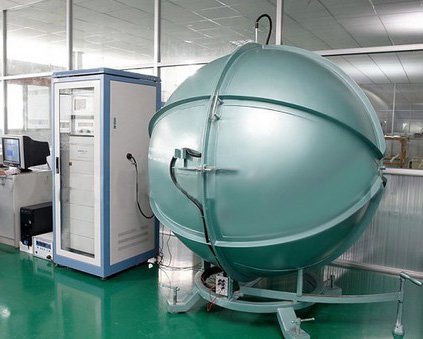
Os dados fotométricos são o coração de qualquer concurso de iluminação. A licitação geralmente especifica um “Aula de iluminação” (por exemplo, M3 ou ME4a para estradas), que determina lux médio, uniformidade e controle de brilho. Esses cálculos dependem inteiramente da precisão do arquivo IES. Se o arquivo IES não estiver perfeitamente alinhado com a folha de dados, o cálculo do projeto de iluminação será inválido.
Analisando a estrutura do arquivo IES
Ao receber um arquivo IES, não basta carregá-lo no Dialux. Abra-o com um editor de texto (Bloco de Notas). Observe as informações do cabeçalho. Um relatório de teste legítimo geralmente inclui o nome do laboratório de teste, o modelo do goniofotômetro (por exemplo, “Everfine GO-2000”) e a data. Se esses campos estiverem vazios ou genéricos, pode ser um arquivo gerado.
Discrepâncias Fotométricas Comuns
Muitas vezes vemos discrepâncias onde a folha de dados afirma o “Fluxo de Fonte” (saída LED bruta) enquanto o arquivo IES mostra corretamente o “Iluminação de fluxo” (saída após lentes e perdas de cobertura). As propostas quase sempre exigem Iluminação de fluxo. Se sua folha de dados diz 15.000 lúmens (Fonte), mas seu arquivo IES mostra 13.500 lúmens (Dispositivo elétrico), e a proposta pede 14.000 lúmens, você irá falhar.
| Parâmetro | O que verificar | Sinal de alerta |
|---|---|---|
| Fluxo Luminoso Total | Deve corresponder à tolerância de ±5% da folha de dados. | O fluxo IES é significativamente maior que o da folha de dados (suspeito). |
| Potência de entrada | Deve corresponder à potência nominal do aparelho. | A potência no arquivo IES é “1W” ou “0C” (dados incompletos). |
| Dimensões Luminosas | Largura/Comprimento da área emissora de luz. | Dimensões listadas como 0mm x 0mm x 0mm (simulação ruim). |
| Assimetria | As luzes da rua geralmente exigem projeção assimétrica. | A distribuição da luz parece um círculo perfeito (ângulo de feixe errado). |
A consequência da incompatibilidade
Se você enviar um relatório de cálculo de iluminação alegando que atingiu os níveis de lux exigidos, mas o avaliador perceber que seu arquivo IES lista 140W enquanto sua folha de dados lista 150W, ele questionará a validade de todo o cálculo. Consistência é a chave. Você deve garantir que o específico “Armazenamento” de LEDs usados na produção corresponde ao arquivo enviado. Se atualizarmos nossos chips LED para uma geração mais recente, testaremos imediatamente novamente e emitiremos novos arquivos IES. Você deve exigir o mesmo rigor.
Meu fornecedor chinês pode fornecer fichas técnicas prontas para envio que não exijam edição adicional?
Trabalhando em estreita colaboração com parceiros no Cazaquistão e na Arménia, percebemos que a definição de “preparar” varia muito entre uma fábrica atacadista padrão e um fabricante focado em projetos. Uma fábrica padrão espera que você faça o trabalho; um verdadeiro parceiro entende que seu trabalho é tornar sua oferta vencível.
Sim, seu fornecedor chinês pode fornecer planilhas de dados prontas para envio, mas somente se for especializado em negócios de projetos (OEM/ODM) em vez de distribuição no varejo e compreender o formato específico dos documentos de conformidade de licitações. Você deve procurar fornecedores que ofereçam “Etiqueta Branca” serviços, disponibilizar arquivos fonte editáveis (Word/Indesign) e contar com uma equipe de engenharia dedicada, capaz de customizar parâmetros e adicionar seu logotipo e números de modelo diretamente nas fichas técnicas.

A realidade da cadeia de abastecimento é que 90% das fábricas de iluminação na China são orientadas para o volume. Eles vendem produtos padrão com catálogos padrão. Se você pedir a eles um “Folha de especificações do concurso,” eles provavelmente enviarão a você seu catálogo PDF padrão, que pode incluir texto em chinês, recursos irrelevantes ou detalhes de contato que passam despercebidos. Isso é inútil para uma licitação.
Fábrica vs. Parceiro de Projeto
A “Parceiro do projeto” funciona de forma diferente. Quando recebemos uma solicitação, não enviamos apenas um catálogo. Solicitamos primeiro os requisitos do concurso. Em seguida, geramos uma ficha técnica específica para esse projeto. Este documento contará seu número do modelo, seu logótipo (se solicitado) e apenas os dados técnicos relevantes para a proposta. Isso economiza horas de trabalho no Photoshop e reduz o risco de erros de copiar e colar.
Protocolos de comunicação para o sucesso
Para obter documentos prontos para envio, você deve conduzir o processo. Não pergunte “Você pode me enviar a especificação?” Em vez disso, pergunte: “Você pode preencher este cronograma de dados técnicos?” ou “Você pode fornecer a folha de dados em formato Word editável?”
| Recurso | Fornecedor de varejo/atacado | Especialista em Projetos/Concursos |
|---|---|---|
| Formato da folha de dados | PDF bloqueado com marca de fábrica. | Word/PDF editável ou etiqueta branca. |
| Flexibilidade de parâmetros | “Pegue ou deixe” (Especificações padrão). | Correntes de driver/CCT personalizáveis para combinar com a proposta. |
| Resposta aos Desvios | Ignora-os ou diz “Padrão é melhor”. | Fornece argumentos técnicos específicos ou modifica o produto. |
| Documentos de suporte | Certificados CE genéricos. | Autorizações específicas do projeto e relatórios de testes completos. |
O “Etiqueta Branca” Estratégia
Para licitações de alto risco, recomendamos frequentemente a estratégia White Label. Fornecemos o conteúdo técnico, mas o documento é inteiramente seu. Isso protege sua fonte (nós) e apresenta você como fabricante ou principal agente autorizado. No entanto, isso requer confiança. Você deve verificar se o fornecedor está disposto a garantir o produto com uma carta de garantia em seu nome. Se um fornecedor se recusar a remover seu próprio logotipo de uma folha de dados, ele provavelmente estará mais interessado na exposição da marca do que em ajudá-lo a vencer o projeto.
Conclusão
A preparação de fichas técnicas de LED para concursos não é uma tarefa administrativa; é estratégico. A documentação é a ponte entre o produto físico e a aprovação do avaliador. Ao garantir a conformidade com desvio zero, garantindo uma solução completa e consistente “Santíssima Trindade” de documentos (Ficha Técnica, Relatórios de Testes, Certificados), verificando a integridade fotométrica e firmando parceria com um fornecedor que entende do ecossistema do projeto, você transforma uma licitação arriscada em um contrato seguro. O sucesso está nos detalhes: combinar cada lúmen, watt e certificação com a proposta.
Notas de rodapé
1. Explica a importância da verificação independente para declarações de produtos. ↩︎
2. Define um padrão chave de teste fotométrico para produtos LED. ↩︎
3. Esclarece o padrão para proteção contra ingresso de gabinetes. ↩︎
4. Substituído por um link de trabalho do BSI, um órgão nacional de padronização, que fornece uma visão geral da norma IEC 60598. ↩︎
5. Substituído por um link de trabalho de ‘Your Europe’, um site oficial da União Europeia, que fornece informações confiáveis sobre a Declaração de Conformidade da UE. ↩︎
6. Substituído por um link funcional para a Wikipedia, que fornece uma definição abrangente e confiável de fluxo luminoso total. ↩︎
7. Descreve o método para projetar a manutenção do lúmen do LED. ↩︎
8. Explica o padrão para medir a manutenção da luminosidade do LED. ↩︎
9. Explica uma ferramenta usada para comparar as especificações do concurso com os dados do produto. ↩︎